SAP-ERP Training
Systems Applications and Products (SAP) is a global leader in Enterprise Resource Planning (ERP) software.
3 Months Training
Live virtual/ offline classes
Get hands-on experience
Flexible Schedule
1 on 1/ Small batches Training
Learn from Industry Experts
Post-Training Mentorship
24/7 Support
One-on-One Doubt Clearing
Resume Building
Recording of Live Classes
About this training
Systems Applications and Products (SAP) is a global leader in Enterprise Resource Planning (ERP) software.
Organizations using an SAP ERP system benefit from an integrated environment where business processes like human resources, production planning and accounting can smoothly flow between various SAP ERP modules (which are similar, in concept, to add-on apps that provide additional features to the base program).
Organizations using an SAP ERP system benefit from an integrated environment where business processes like human resources, production planning and accounting can smoothly flow between various SAP ERP modules (which are similar, in concept, to add-on apps that provide additional features to the base program).
Who can take up SAP Certification Training?
Applicants just need to be graduates (BTech, B.Sc. or B. Com graduates can benefit more) or have a Master's degree.
It is recommended that the candidate has a relevant academic background in subjects including Computer Science, Business Administration, Finance, Accounting, Human Resource, Information Systems, Operations Management and Systems Engineering.
Computer knowledge will be essential though.
Different Types of SAP Modules
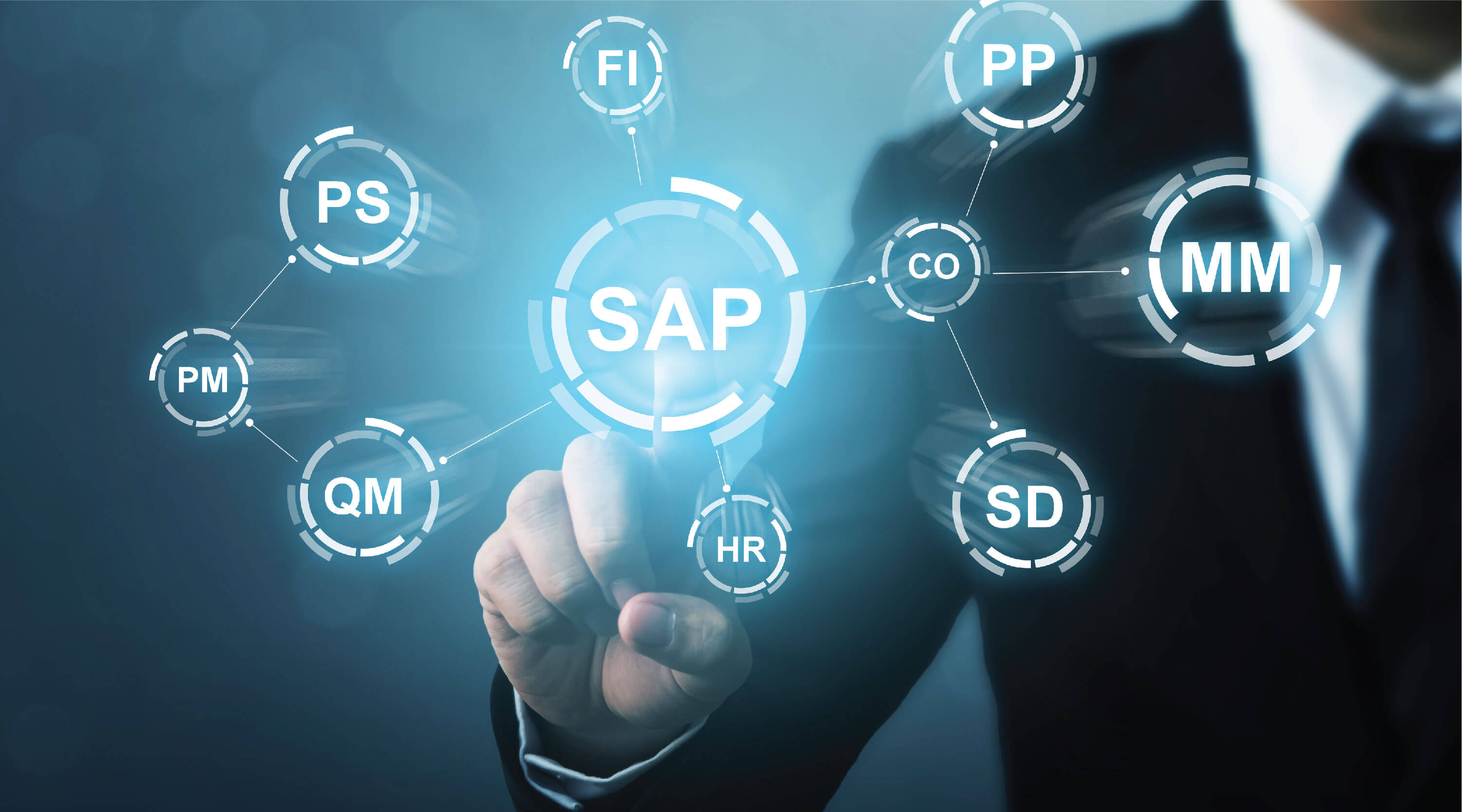
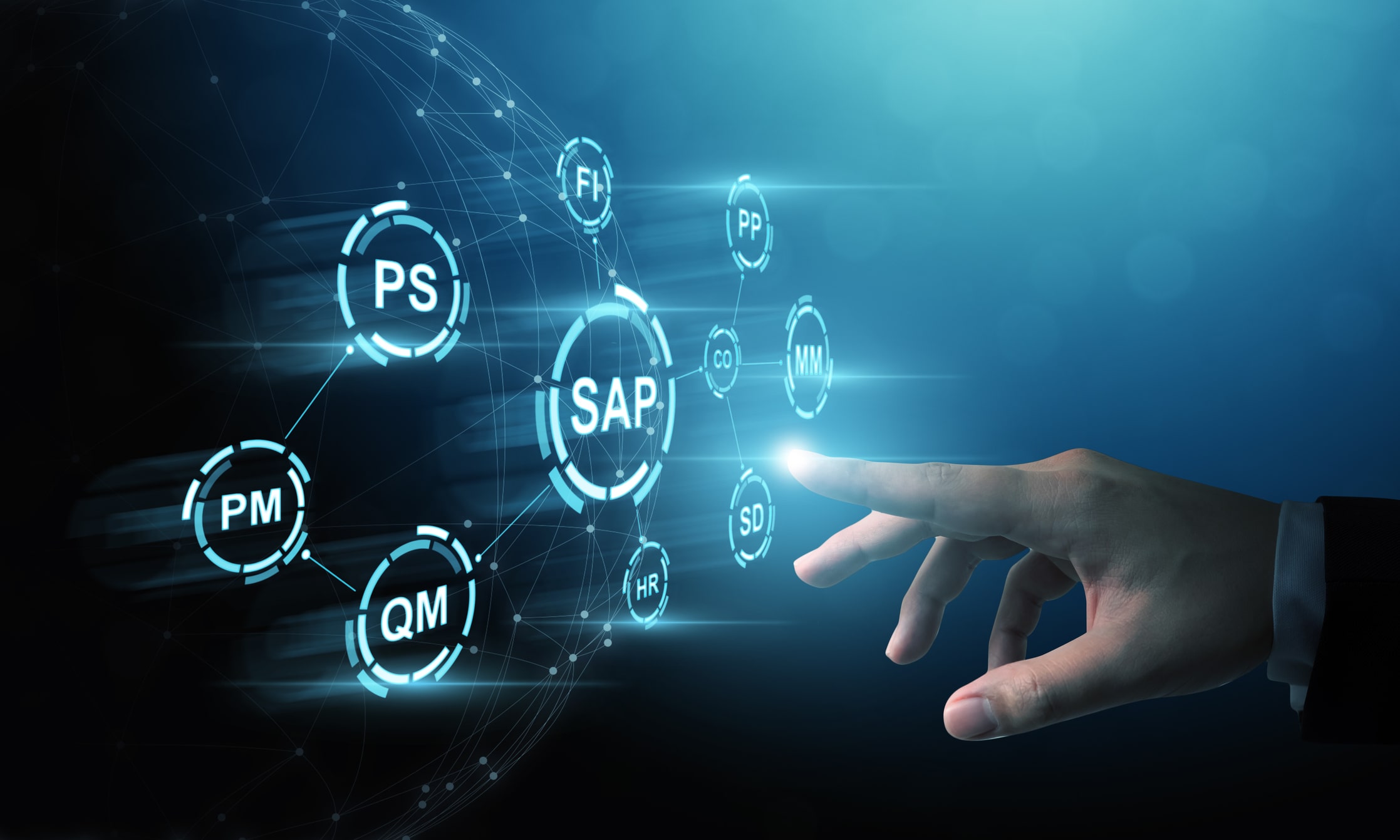
For SAP, there are two main types of modules: functional and technical.
Functional modules in SAP provide an interface for real-time features that any business can use. SAP technical modules, on the other hand, operate more behind the scenes to help SAP functional modules and their shared ecosystem run as optimally as possible.
Functional modules in SAP provide an interface for real-time features that any business can use. SAP technical modules, on the other hand, operate more behind the scenes to help SAP functional modules and their shared ecosystem run as optimally as possible.
SAP Technical Modules – Are modules used on the back-end of an SAP landscape to help maintain and fine-tune your environment, build applications, troubleshoot, download & install updates and plan & carry out migrations.
SAP Functional Modules – Are modules that provide business features like processing orders, turning raw data into intelligence and handling human resources.
SAP Technical Modules
SAP technical modules are primarily focused on ensuring a smooth-operating SAP landscape. Here’s our complete SAP technical modules list and their core purposes:






SAP Basis
SAP Basis is considered the system administration of SAP systems and provides the technical foundation enabling SAP applications to run smoothly.
SAP Security
SAP Security establishes robust internal security to allow or prevent access where needed.
SAP NetWeaver
SAP NetWeaver connects business users to SAP software in real-time regardless of their access point (social media platforms, mobile devices or web applications). Additionally, NetWeaver delivers unified tracking of various processes like business intelligence, exchange infrastructure and enterprise portal.
SAP Solution Manager
SAP Solution Manager allows clients to consolidate, enhance, automate and improve the management of their entire system environment—thereby reducing total ownership costs.
Exchange Infrastructure (SAP XI)
Exchange infrastructure allows you to implement cross-system processes from different vendors in different versions.
Supplier Relationship Management (SAP SRM)
Operators with SAP SRM can examine and forecast purchasing behavior, shorten procurement cycles and enhance their business processes with critical suppliers in real-time.
Information Systems Management (SAP IS)
Information Systems Management are flexible tools for collecting, aggregating and analyzing data from functional SAP modules that aid businesses in identifying problems and their causes.
Customer Relationship Management (SAP CRM)
Customer Relationship Management helps organizations effectively and efficiently handle customers while achieving their business goals.
High Performance Analytic Appliance (SAP HANA)
SAP HANA uses in-memory computing to store compressed data into RAM instead of relational databases on disk drives.
Advanced Business Application Programming (SAP ABAP)
SAP ABAP is a high-level programming language created from computing languages Java, C, C++ and Python used to develop business applications in an SAP environment.
Business Intelligence/Business Warehouse (SAP BI/BW)
SAP Business Intelligence (BI) means analyzing and reporting of data from different heterogeneous data sources. SAP Business Warehouse (BW) integrates data from different sources, transforms and consolidates the data, does data cleansing, and storing of data as well.
SAP Functional Modules
SAP functional modules provide organizations with business features like inventory tracking, human resource management and order processing.






Production Planning (SAP PP)
SAP Production Planning uses master data to help businesses plan the manufacturing, sale and distribution of goods.
Materials Management (SAP MM)
Materials Management plays a vital role in a manufacturer’s supply chain as it provides companies with materials, inventory and warehouse management capabilities.
Financial Supply Chain Management (SAP FSCM)
The SAP FSCM module integrates financial, banking, accounting and information systems to optimize and manage financial transactions and mitigate financial risks.
Project System (SAP PS)
The Project System module helps organizations manage projects through the lifecycle process including steps like project structure, time schedules, budgeting, reporting, project progress analysis and cost and revenue planning.
Plant Maintenance (SAP PM)
The SAP PM module functions as a software product covering inspection, preventative maintenance and technical system repairs to simplify complete maintenance management. This module is invaluable for manufacturers seeking complete oversight.
Human Resources Management (SAP HRM)
The SAP HRM module improves a business’ data management and work processes by evaluating personal performance, hiring & onboarding of new staff, handling payroll and managing promotions.
Quality Management (SAP QM)
The Quality Management module helps organizations manage quality production by collaborating in sales procurement, planning, production, inspection, notification, audit management, control and more.
Financial Accounting (SAP FI)
The SAP FI is a vital SAP ERP module used to store an organization’s financial data and analyze financial conditions in the market. This module integrates with other SAP modules and deals with financial components
Controlling (SAP CO)
SAP CO provides information to company decision-makers to better understand and optimize how a company’s money is spent.
Sales and Distribution (SAP SD)
The SAP SD module consists of business processes required in the selling, shipping and billing of a product. SAP SD benefits businesses by tracking sale transactions, categorizing diverse sales and processes and creating effective sale documents.
Logistics Execution (SAP LE)
The SAP LE helps businesses control merchandise by creating deliveries, picking packaging and posting goods issues.
Advanced Planning & Optimization (SAP APO)
SAP APO provides a suite of Supply Chain Planning applications with a range of tools for forecasting, planning, and optimization. It helps customers to implement industry best practices, respond to ever-changing market conditions, and stay ahead of their competitors.
Warehouse Management (SAP WM)
SAP WM is warehousing management application tool of SAP ERP, which provides critical informational analytical reporting data of warehousing operations like Goods receiving and issuing, batch and quality management in the warehouse, types of movement in warehouse, etc.